
What Is a Swing Barrier?
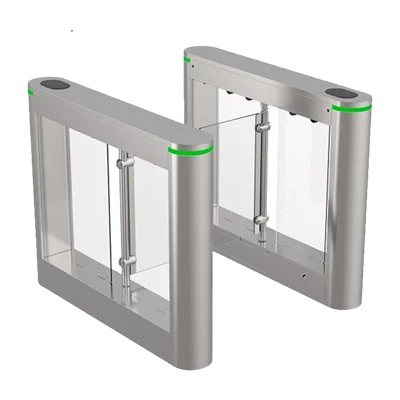
A swing barrier is an automated pedestrian access control system that uses swinging panels or arms to manage entry and exit through a designated passage. It is commonly installed in offices, commercial buildings, metro stations, airports, corporate campuses and other controlled-access areas. Swing barriers can be integrated with RFID cards, face recognition, fingerprint readers and other access control systems to help authorize users, regulate pedestrian movement and prevent unauthorized entry. Their wide passage options can also make them suitable for locations requiring accessible entry.
Swing Barrier Products
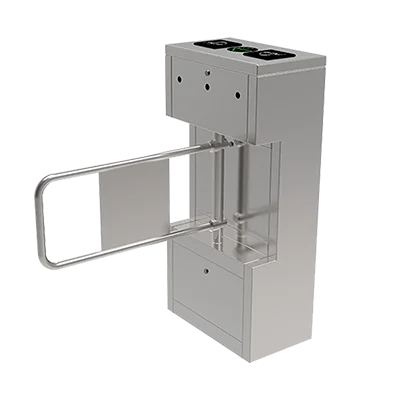
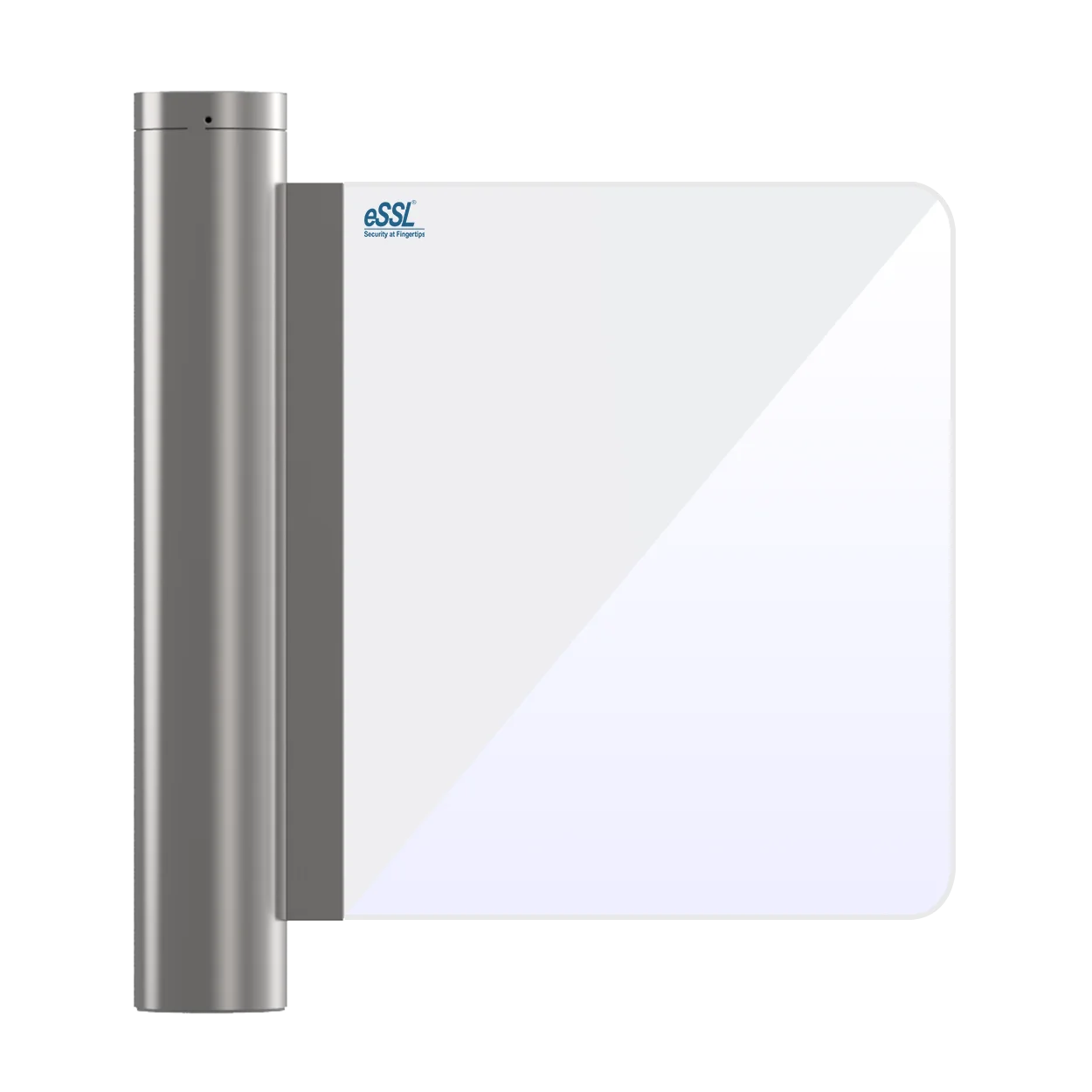
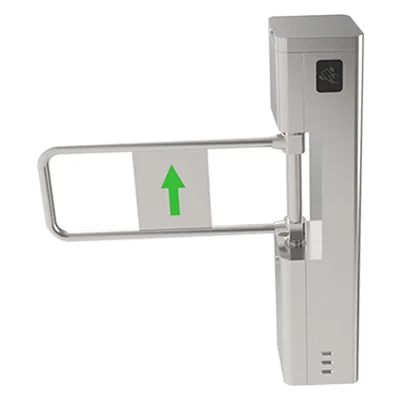
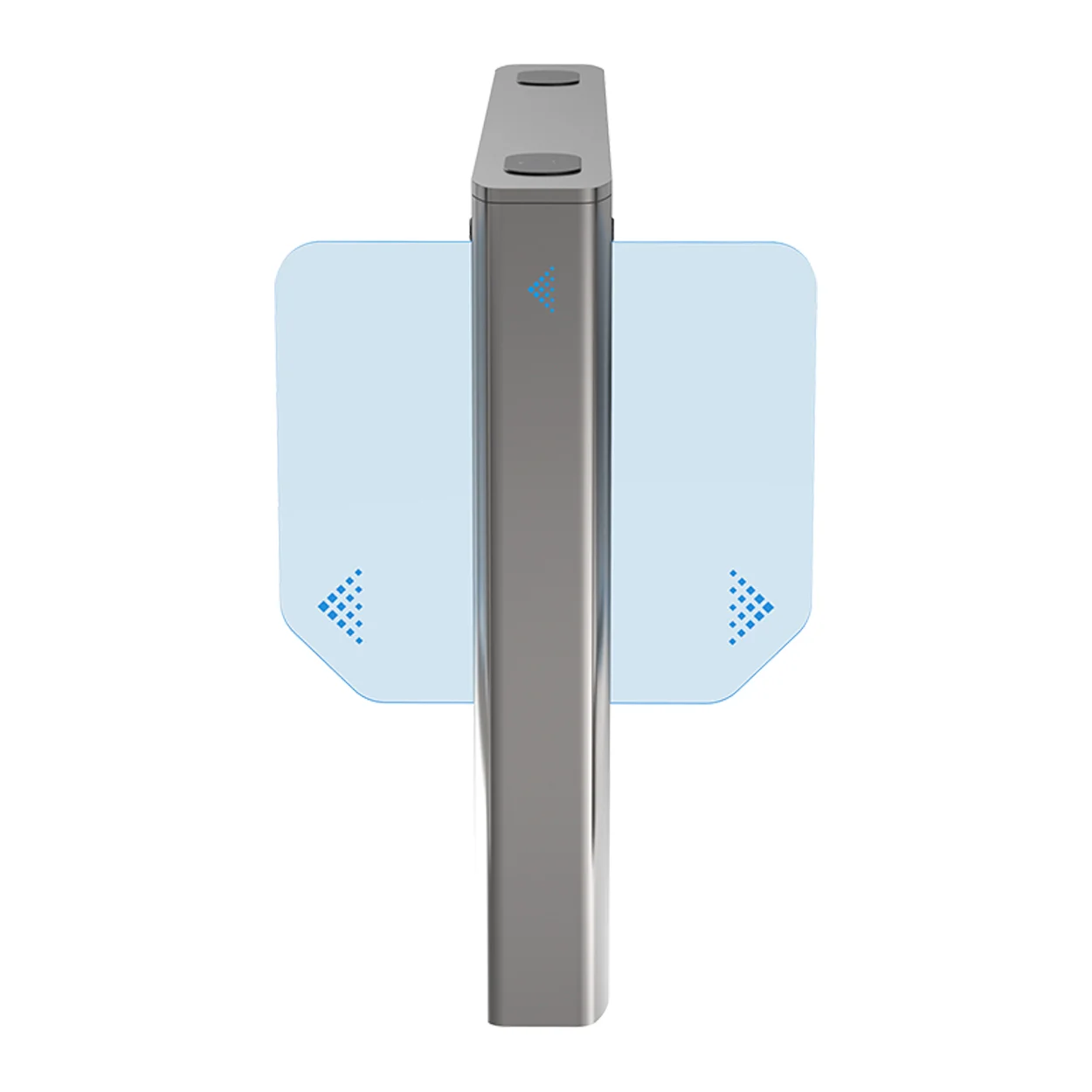
What Is a Swing Barrier?
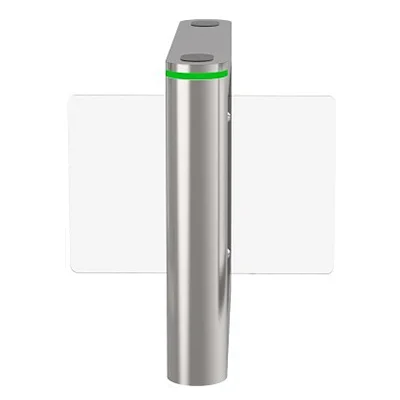
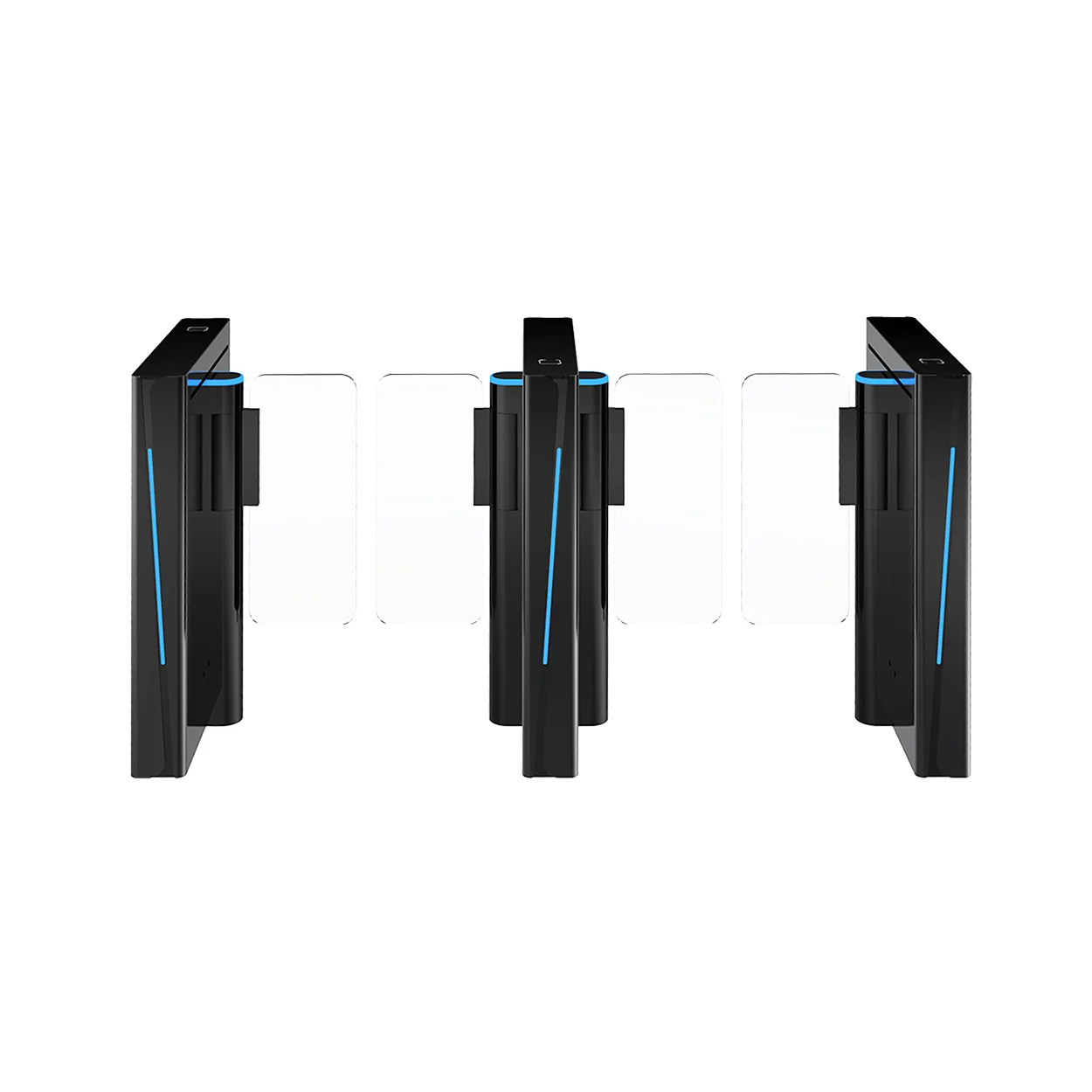
A swing barrier is an electronic access control system that uses one or more swinging panels or arms to regulate pedestrian movement through a designated entrance. The barrier opens when access is authorized and returns to its blocking position to help prevent unauthorized passage.
Swing barriers are commonly installed in corporate offices, commercial buildings, metro stations, educational institutions, gyms, and other facilities that require controlled pedestrian access. Depending on the model, they can work with RFID cards, QR code readers, biometric devices, ticketing systems, and other compatible access control solutions.
How Does a Swing Barrier Work?
A swing barrier operates by verifying a person's access credentials through a connected access control system. When an authorized user presents a valid card, scans a QR code, or verifies their identity using a compatible biometric reader, the barrier receives an access command and swings open to allow passage.
After the person passes through, the barrier returns to its closed position according to the configured operating sequence. Sensors can help detect movement and identify unauthorized passage attempts, depending on the system design and configuration.
Key Components of a Swing Barrier System
- Barrier cabinet: Houses the operating mechanism and electronic controls.
- Swing panel or arm: Opens and closes to control pedestrian passage.
- Access control reader: Verifies credentials through supported cards, QR codes, or compatible biometric devices.
- Sensors: Help monitor movement through the access lane.
- Control unit: Coordinates access authorization and barrier operation.
Key Benefits of Swing Barriers
- Controlled pedestrian access: Helps restrict entry to authorized users.
- Wide passage options: Selected models can provide wider lanes for accessibility or specific movement requirements.
- Access control integration: Can work with compatible card readers, QR code systems, and biometric terminals.
- Organized pedestrian flow: Helps manage entry and exit through designated lanes.
- Modern design: Suitable for professional office and commercial entrances.
- Flexible configurations: Available in different designs, materials, and lane arrangements depending on the model.
- System monitoring: Compatible installations can provide access events and passage status for security management.
Where Are Swing Barriers Used?
Swing barriers are useful in locations where pedestrian access needs to be controlled while allowing convenient passage for employees, visitors, and authorized users.
- Corporate offices and business parks.
- Commercial buildings and shopping centres.
- Metro stations and public transport facilities.
- Schools, colleges, and university campuses.
- Factories and industrial premises.
- Gyms, clubs, and recreational facilities.
- Hospitals and institutional buildings.
- Visitor management and employee entry points.
Swing Barrier vs. Flap Barrier
A swing barrier uses a panel that pivots open to allow pedestrian passage, while a flap barrier typically uses retractable flaps that move out of the lane. Both can be integrated with electronic access control systems, but their design and lane configuration differ.
Swing barriers may be preferred where a wider passage is required, including selected accessible lanes. Flap barriers are often selected for compact, high-throughput entrances. The appropriate choice depends on the available space, expected pedestrian traffic, accessibility requirements, security objectives, and the features of the selected model.
How to Choose the Right Swing Barrier
Before selecting a swing barrier system, assess your entrance layout and the requirements of the people who will use it.
- Lane width: Choose a suitable passage width for normal use and accessibility requirements.
- Pedestrian traffic: Consider expected peak-hour entry and exit volumes.
- Access credentials: Check compatibility with RFID cards, QR codes, biometric readers, or other required methods.
- Safety features: Review sensor coverage, emergency operation, and safe passage requirements.
- Installation space: Confirm the available space for the cabinet, swing panel, and pedestrian lane.
- System integration: Check compatibility with attendance software, visitor management, and existing access control equipment.
- Build quality: Compare construction materials and suitability for the installation environment.
- Maintenance and support: Consider warranty, service requirements, and technical assistance.
Why Choose CDN TECHNOLOGIES for Swing Barrier Solutions?
CDN TECHNOLOGIES (INDIA) PVT. LTD. provides guidance on pedestrian access control solutions for offices, commercial buildings, industrial facilities, and other controlled-entry environments. Our team can help you evaluate swing barriers and compatible access control options based on your site's requirements.
Whether you are planning a new entrance or upgrading an existing security system, selecting a suitable swing barrier configuration can help improve access management and support organized pedestrian movement.
Get in Touch for Product Enquiry
Looking for a swing barrier for your office, commercial building, factory, or institution? Contact CDN TECHNOLOGIES to discuss your pedestrian access control requirements and explore a suitable solution.
Enquire on WhatsApp